How Dust and Allergens Build Up in Window Treatments
Local contractors specializing in dust and allergen window treatment cleaning can effectively remove buildup, improving indoor air quality and making your home healthier.
Many property owners in the area notice that dust and allergens tend to accumulate in window treatments over time, even with regular cleaning routines. This buildup can impact indoor air quality and contribute to allergy symptoms, making it a practical concern for those looking to maintain a healthier living or working environment. Understanding how dust and allergens settle into window coverings can help homeowners and property managers take targeted steps to keep their spaces cleaner and more comfortable.
Fortunately, local contractors who specialize in window treatment cleaning offer services designed to address this specific issue. These professionals understand the common causes of dust and allergen buildup and can provide effective solutions to refresh window coverings and improve indoor air quality. Exploring these options may be a helpful step for anyone interested in maintaining a cleaner, healthier space without the hassle of DIY cleaning.
- Dust and allergen window treatment cleaning - is often needed when homeowners notice increased allergy symptoms and want to reduce airborne irritants trapped in their window coverings, with local contractors using specialized tools to thoroughly remove buildup.
- Dust and allergen window treatment cleaning - may be necessary after seasons of heavy pollen or dust exposure, as local service providers can safely remove accumulated debris from fabric, blinds, or shades.
- Dust and allergen window treatment cleaning - is recommended when window treatments appear visibly dusty or stained, with local pros employing deep-cleaning methods to eliminate allergens embedded in the material.
- Dust and allergen window treatment cleaning - is often sought in homes with pets or smokers, as local contractors can effectively remove pet dander and smoke residue from various types of window coverings.
- Dust and allergen window treatment cleaning - can improve indoor air quality in spaces with high dust levels, as local service providers use specialized equipment to clean hard-to-reach areas and prevent allergen buildup.

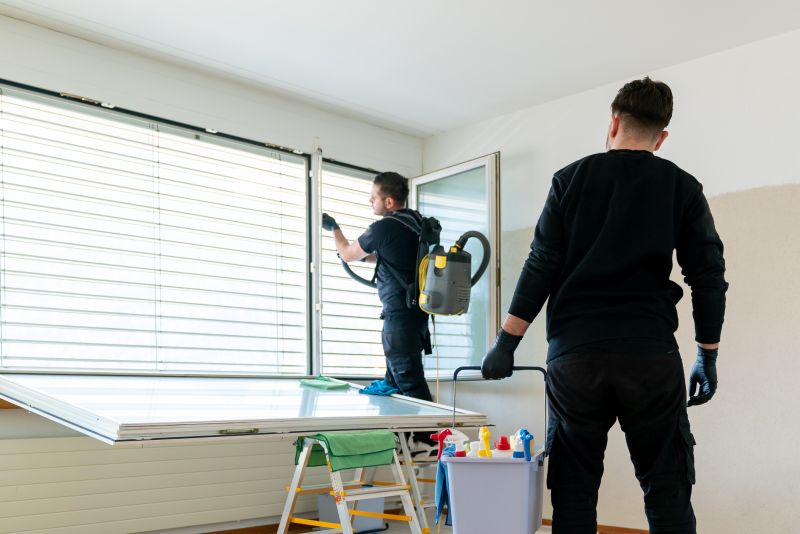

When people search for how dust and allergens build up in window treatments, they are often concerned about indoor air quality and the cleanliness of their living spaces. Window treatments like curtains, blinds, and shades are more than just decorative elements-they can also act as filters for airborne particles. Over time, dust, pet dander, pollen, and other allergens settle on these surfaces, especially in homes with high foot traffic or pets. Understanding this buildup is important for homeowners who want to maintain a healthier environment, reduce allergy symptoms, and keep their living areas looking tidy.
This topic is closely related to common problems such as allergy flare-ups, respiratory irritation, and general indoor cleanliness. Many property owners consider regular cleaning of window treatments as part of their overall home maintenance plan. They may also be exploring plans to improve air quality or reduce dust accumulation in their living spaces. For those with allergies or respiratory issues, the presence of built-up dust and allergens in window treatments can exacerbate symptoms. As a result, some homeowners seek out professional cleaning services to ensure these surfaces are thoroughly cleaned and allergen-free.
The types of properties where dust and allergens tend to build up in window treatments vary widely but often include residential homes, apartments, and condos. Homes with multiple windows and heavy fabric curtains are especially prone to dust accumulation. Similarly, properties with pets or smokers may experience higher levels of airborne particles settling on window coverings. Commercial properties, such as offices or hospitality spaces, can also experience similar issues, particularly when window treatments are not cleaned regularly. Recognizing the type of property and its specific needs can help homeowners and property managers decide when professional cleaning is a beneficial step.
Local service providers specializing in dust and allergen window treatment cleaning play a key role in addressing these concerns. They offer targeted cleaning solutions designed to remove accumulated dust, pet dander, pollen, and other allergens from a variety of window coverings. These professionals understand the different materials used in window treatments and can recommend appropriate cleaning methods that preserve their appearance and function. Engaging with experienced local contractors ensures that the buildup of dust and allergens is effectively managed, contributing to a cleaner, healthier indoor environment.
Upholstery Cleaning - cleaning upholstery involves removing dust and allergens embedded in fabrics, similar to how they accumulate in window treatments, requiring specialized tools and techniques.
HVAC Duct Cleaning - this project focuses on removing dust and allergens from air systems, paralleling the need for thorough cleaning of window treatments to reduce indoor allergens.
Carpet and Rug Cleaning - carpet cleaning shares methods for extracting dust and allergens from deep within fibers, which is comparable to cleaning dust buildup in fabric or layered window coverings.
Blind and Shade Restoration - restoring blinds and shades involves cleaning and repairing delicate surfaces, similar to removing dust and allergens from various window treatment styles.
Air Quality Improvement Services - services aimed at improving indoor air quality often include cleaning dust sources like window treatments, making them relevant to allergen reduction efforts.
Furniture Refinishing and Cleaning - cleaning and maintaining furniture surfaces helps eliminate dust and allergens, a process that complements the cleaning of dust-prone window treatments.
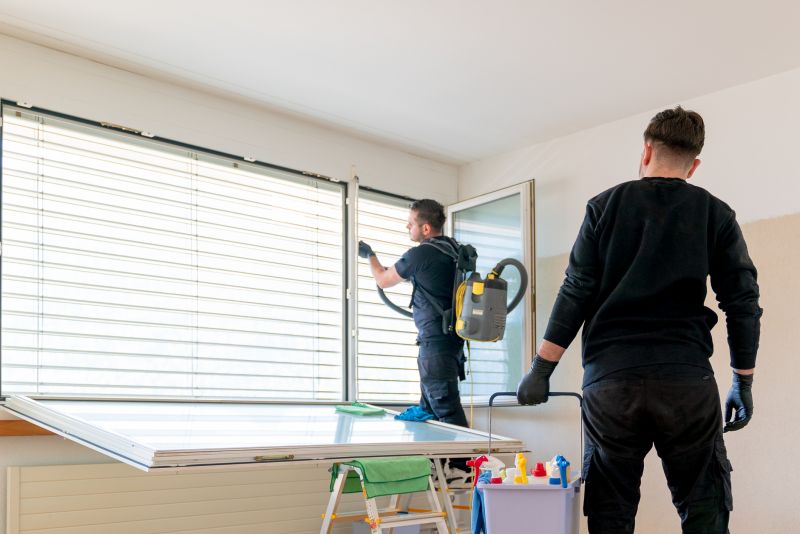
When comparing local contractors for dust and allergen window treatment cleaning, it is important to consider their experience with similar projects. Service providers who have a proven track record of cleaning window treatments that are prone to dust and allergen buildup-such as curtains, blinds, or drapes-are more likely to understand the nuances of different materials and the most effective cleaning methods. Asking for references or examples of past work can help assess their familiarity with managing dust and allergens in various types of window coverings, ensuring the chosen contractor has the relevant expertise to handle the specific needs of a home.
Clear written expectations are essential for a successful cleaning service. Homeowners should seek out providers who can outline the scope of work, including what types of treatments will be cleaned, the methods used, and any preparations needed before the service. Well-defined expectations help prevent misunderstandings and ensure that dust and allergen buildup is thoroughly addressed. When evaluating service providers, it’s also helpful to confirm that they communicate openly about their process and are willing to answer questions about how they will handle delicate or heavily soiled window treatments.
Reputable references and good communication are key factors when selecting local contractors for dust and allergen cleaning. Service providers with positive feedback from previous clients demonstrate reliability and quality work. Additionally, clear and prompt communication from the contractor can provide peace of mind, as it indicates professionalism and attentiveness to customer needs. Homeowners should feel comfortable asking potential providers about their communication style and requesting references to verify their ability to deliver consistent, high-quality results when it comes to reducing dust and allergens in window treatments.
Property owners often search for how dust and allergens build up in window treatments when they are planning practical projects around their homes and businesses. Local pros provide Dust and Allergen Window Treatment Cleaning services for everyday jobs and straightforward project options.
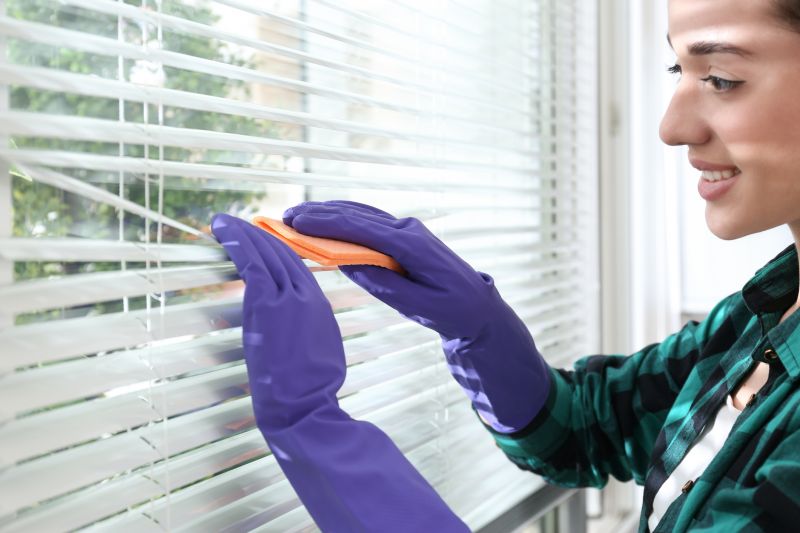

Understanding how dust and allergens build up in window treatments is a common concern for property owners looking to maintain a healthy and clean living environment. Everyday activities such as opening windows, indoor airflow, and even household routines can cause dust particles, pet dander, pollen, and other allergens to settle into fabric blinds, curtains, and shades over time. Without regular cleaning, these particles can accumulate unnoticed, potentially aggravating allergies or respiratory issues. Local contractors specializing in window treatment cleaning can help address this buildup, ensuring that these often-overlooked surfaces remain free of dust and allergens.
Many property owners seek out professional services to manage the ongoing challenge of keeping window treatments clean and allergen-free. Since dust and allergens tend to cling to fabric and hard surfaces alike, routine cleaning can be time-consuming and difficult to do thoroughly without the right tools and expertise. Service providers in the area can offer specialized cleaning solutions designed to remove embedded dust, reduce allergens, and improve indoor air quality. Connecting with local contractors can make it easier to maintain clean window treatments and create a healthier, more comfortable space.
How do dust and allergens accumulate in window treatments? Dust and allergens settle on window treatments due to air circulation, everyday use, and the accumulation of airborne particles, especially in environments with poor ventilation or high indoor activity.
Why do window treatments tend to trap dust and allergens more than other surfaces? Window treatments often have textured fabrics or materials that can trap airborne particles more effectively than smooth surfaces, making them common reservoirs for dust and allergens.
How can local contractors help remove dust and allergens from window treatments? Professional cleaning services use specialized tools and techniques to thoroughly remove dust and allergens from various types of window treatments, improving indoor air quality.
Are certain types of window treatments more prone to dust and allergen buildup? Yes, fabric and textured window coverings tend to trap more dust and allergens, whereas smooth or hard surfaces are generally easier to clean and less likely to harbor these particles.
What practices can help prevent dust and allergens from building up in window treatments? Regular cleaning by local service providers, combined with routine dusting and proper ventilation, can significantly reduce the buildup of dust and allergens in window treatments.
Understanding dust accumulation - property owners can identify areas where dust and allergens tend to settle on window treatments to prioritize cleaning efforts with local contractors.
Regular dust removal practices - implementing consistent dusting routines can reduce buildup and improve indoor air quality, with local pros providing expert cleaning services.
Choosing appropriate cleaning methods - selecting the right cleaning techniques for different window treatment materials can prevent damage while effectively removing allergens, supported by local service providers.
Scheduling professional cleanings - arranging periodic deep cleanings with local pros can ensure dust and allergens are thoroughly removed from hard-to-reach areas in window treatments.
If you are thinking about how dust and allergens build up in window treatments for a property, this guide is meant to help you understand this topic, the typical project types, and how different options might fit your plans.
When you are ready, you can use the quote form on this page to share a few details about your project. From there, local pros can review the basics and follow up with options that match what you have in mind.